PixelForge Is Live

Sunday, June 7, 10:33 AM. A Stripe notification — not my first by a long shot, but it's been a while since one made me this ecstatic: “Congratulations, Bernard Huang! You've just received your first payment.” Five dollars. A stranger uploaded a photo, my pipeline turned it into a game character, and they paid for it while I was doing something else entirely. PixelForge is live. Here's what it is, how the pipeline works, and how a Discord full of strangers bullied me into actually shipping it.
PixelForge turns a portrait photo into a game-ready pixel sprite pack — a strict 4×4 walk sheet, transparent frames, directional strips, and looping walk GIFs — for $5. No account, no subscription, money-back if it fails QA.
- The trick isn't the AI. AI draws the sheet; deterministic Python finishes it — key-color removal, per-frame feet alignment, transparent extraction. “Generated by AI, finished by code.”
- Built in days with the plan-3x loop + GPT 5.5. The real work was the cleanup pipeline, not the generation.
- Shipped inside Ship or Die — the community where you launch in 30 days or get kicked out forever.
- First customer: June 7, a Ship or Die crew member. $5, receipt below.
What five dollars buys
One portrait in, a real sprite pack out: a strict 4×4 sprite sheet (down/left/right/up), every frame as an individual transparent PNG, directional strips, and looping walk animations — sized to drop straight into Godot, Unity, Phaser, GameMaker, or a web engine, with engine notes included. There's no account and no subscription; checkout is a Stripe button, and if a pack fails quality checks, you get your money back. The pitch on the site is the honest one: put anyone into your game — you, your cofounder, your dog's walker, the friend who said your game idea was dumb.
How it works: generated by AI, finished by code
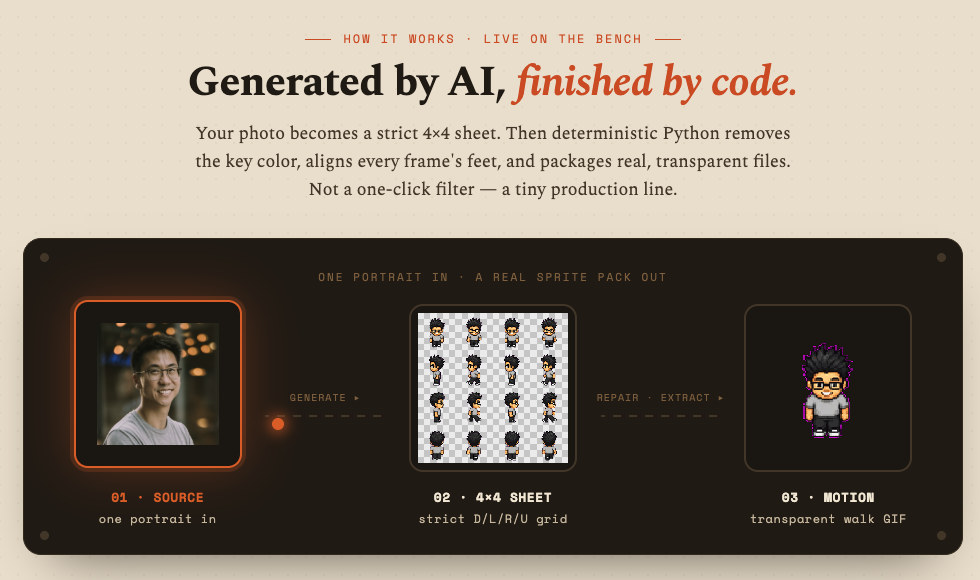
The three steps:
- Upload a portrait. One clear photo of a face is enough.
- AI draws the sheet. The model generates a strict 4×4 grid — four directions, four frames each — in a consistent pixel style.
- Code finishes the job. Deterministic Python removes the key color, aligns every frame's feet to a baseline, and packages real, transparent files.
Step 3 is the product. Raw AI sprite sheets are 90% there and 100% unusable: backgrounds baked into frames, characters drifting off their baseline so they bounce when they walk, grids that are almost regular. Every “AI sprite generator” demo you've seen stops at step 2 and hands you a PNG you still have to slice by hand. The unsexy pipeline work — the part a model can't vibe its way through — is what makes the output droppable into an engine. As the site puts it: not a one-click filter — a tiny production line.
Stonk Runner: the playable proof
“Game-ready” is easy to claim and easy to fake, so I wanted proof the packs survive contact with an actual game. One night of vibe-coding later: Jensen, Elon, Warren & Leopold each went in as a single photo, came back as full character packs, and I dropped them — untouched, no manual cleanup — into Stonk Runner, an autorunner across NVDA's wildest AI-era trading day (May 25, 2023, the “AI gap up”). 60-second runs, real market data, gamepad ready, margin calls guaranteed, not financial advice.
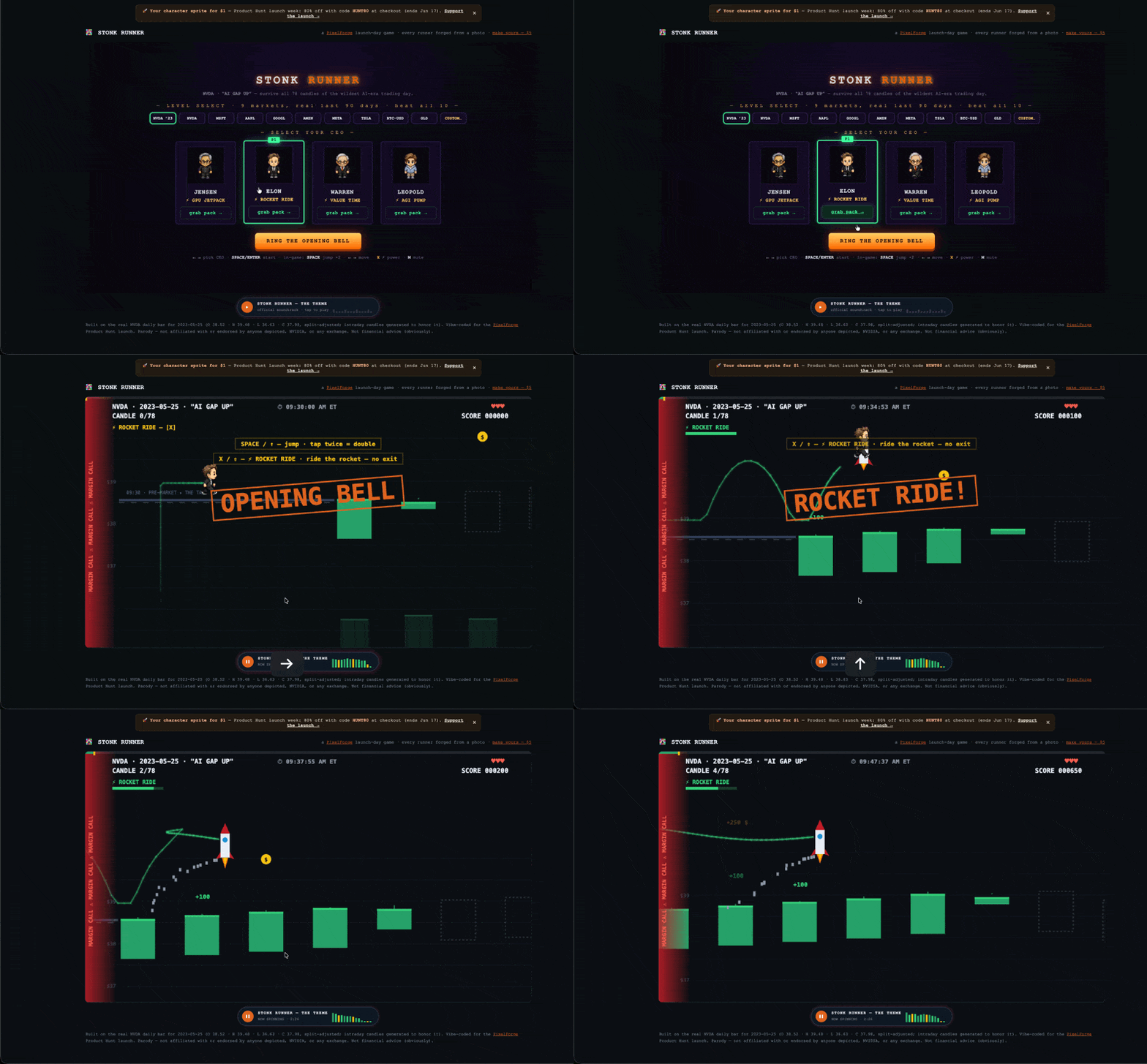
Play it free — and this is the part I like most: the cast's sprite packs are downloadable free from the select screen. Take Jensen's pack, ship it in your Godot, Unity, or web build tonight, and you've experienced the whole product loop without paying anything. Then forge yourself in for $5 and join the roster. (Yes, the lab's trading obsession is leaking into the games. The candles are real.)
And the trailer is my favorite artifact of the entire launch, because I didn't make it. The soundtrack came first — a track called “Rocket Twenty-Six.” I handed GPT 5.5 the mp3 with one instruction: make me a music video for this. Every frame of the 146 seconds below is its work, cut to its own read of the track at 152 BPM. I can't decide whether it's brilliant or unhinged, and I've stopped trying to pick.
PixelForge is also live on Product Hunt today — #14 as I write this, which is not bad for a $5 sprite tool. If the pipeline or the game made you smile, an upvote over there genuinely helps it get found.
The build: days, not weeks
PixelForge went from idea to live product in days, on the same loop as everything else I ship: plan three times with independent models, reconcile, then let GPT 5.5 build. The generation side came together fast — the grinding was all in the deterministic pipeline: detecting the grid reliably, keying out backgrounds without eating the character's outline, and getting sixteen frames of feet to agree on where the floor is. The web app itself is the boring part on purpose: a page, an upload, a Stripe button, and a public bench where you can watch recent jobs go through.
Ship or Die
This one didn't ship on discipline alone. I'm in Ship or Die — Marc Lou and Jack Friks' community with one rule: ship a startup in 30 days or get kicked out forever. $269 to enter, daily check-ins, your mission is public, and missing the deadline means getting marked overboard in front of everyone, no refund. A launchable link, one feature, a buy button — or the plank.
I find the design genuinely funny given what I just published about stakes: threats don't make AI models work better — but I paid $269 to have a Discord threaten me, and the product is live, so draw your own conclusions about humans. The practical value is real: a hard deadline, a crew of people shipping alongside you, and an allergy to scope creep. “One feature and a buy button” is exactly the right spec for a $5 product.
The first $5
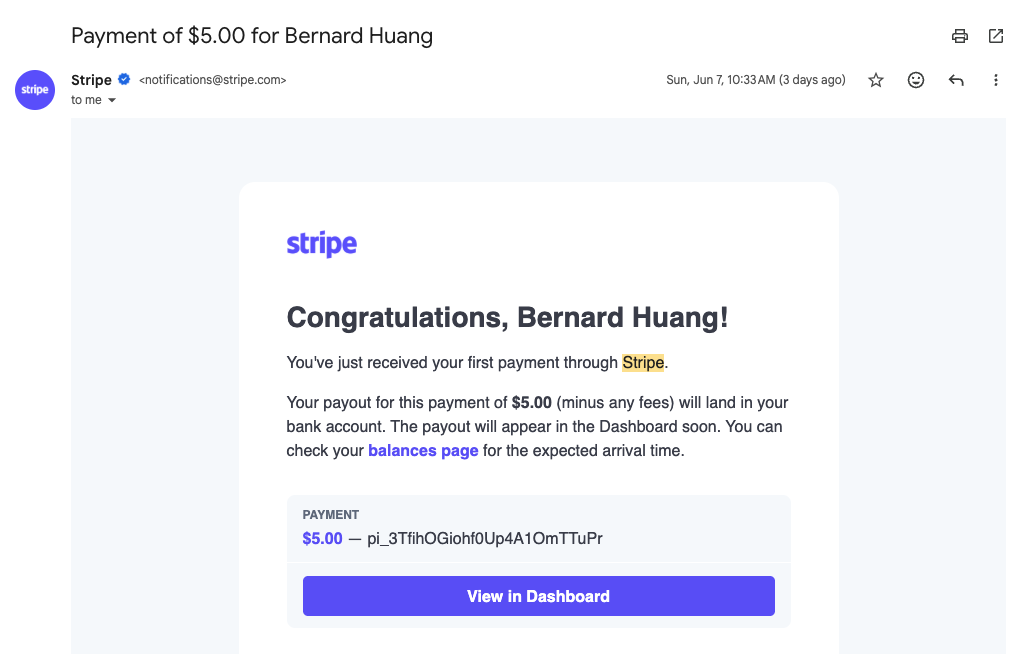
The first customer came from the Ship or Die crew — which is part of what the $269 buys: a room full of people who actually try each other's products. Five dollars doesn't change a P&L. What it changes is the claim. Before June 7, PixelForge was a pipeline that worked on my photos. After 10:33 AM, it's a product a stranger found, used, and paid for, end to end, with no human in the loop. For a portfolio full of projects measured in views and burn rates — and one that died at Apple's door without a single user — a working buy button is its own kind of milestone.
It's live now: pixel-forge.net. Upload a face, get a character, put someone you love (or someone you want to make walk into walls) into your game. The bench is public, the price is $5, and the next post in this series will have the numbers — traffic, packs, unit economics — once there are enough of them to be honest about.
Newsletter
Get the next post by email.
One email when I publish something new. No spam, no fixed schedule, unsubscribe anytime.